
Wet burlap is a traditional moist-curing material for concrete. The principle is simple: an absorbent covering is placed over the finished surface and kept wet so that evaporation is reduced while cement hydration continues.
On site, the method only works when the material stays in close contact with the concrete and remains continuously moist. A burlap sheet that dries out can stop protecting the surface and may even pull moisture away from the concrete.
What Wet Burlap Curing Is Trying to Achieve
Fresh concrete needs moisture for continued hydration. Exposed slabs can lose water quickly because of sun, wind, low humidity and high temperature. A wet absorbent covering creates a local moist environment over the surface.
Highway guidance in the United States has long recognized wet burlap as a water-added curing method for bridge decks and pavement work. The important words are “continuous” and “wet”: occasional spraying is not the same as maintaining a moist curing condition.
Can Used Jute Bags Be Used?
Used jute bags can be opened or laid flat as curing covers when they are clean enough, absorbent and physically sound. The previous use of the bag matters. Fertilizer, sugar, oil, dye, chemicals or other residues may stain or harm a concrete surface.
Before using second-hand material, inspect and rinse a sample if necessary, then test it on a non-critical area when surface appearance matters.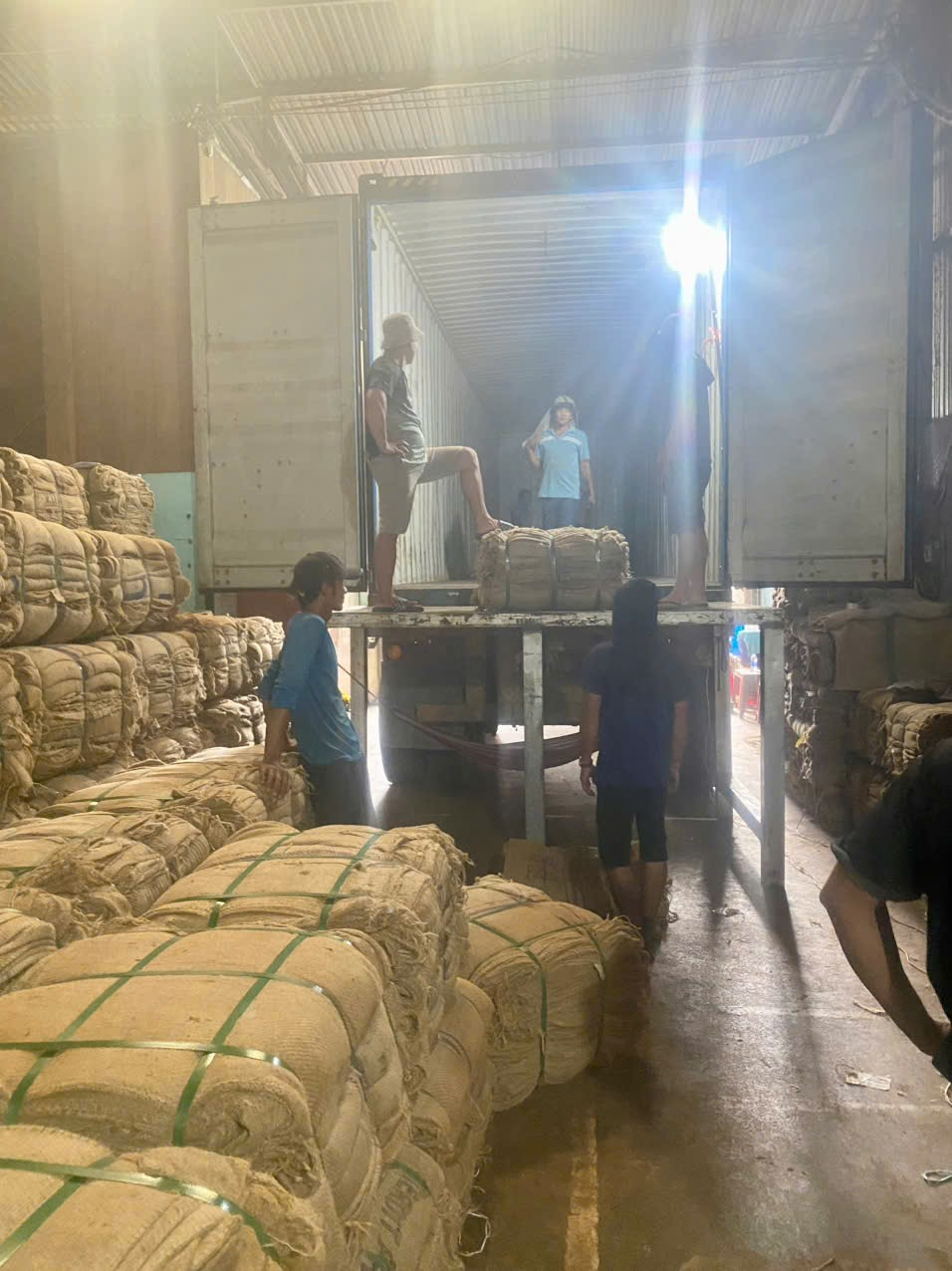
Reject Material With These Problems
- Oil or petroleum contamination.
- Unknown chemical residue.
- Loose printing or dye that bleeds heavily.
- Mold, strong odor or rotting fiber.
- Fabric so damaged that it cannot remain in contact with the surface.
- Large holes that allow rapid exposed drying.
Pre-Wet the Burlap Before Application
Dry burlap is highly absorbent. If it is placed dry on fresh concrete, the fabric can initially draw water from the surface. Saturate the material before placement so the covering begins as a moisture source rather than a moisture sink.
Use clean water suitable for the project. Where staining or surface finish is important, water quality and fabric cleanliness deserve extra attention.
When Should the Cover Be Applied?
The exact timing depends on the concrete specification, finishing process and project requirements. In general, curing should begin as soon as the surface is ready to receive the cover without being damaged. Bridge-deck specifications can require burlap soon after texturing and finishing.
Do not drag rough fabric across concrete that is still too soft. Place it carefully and avoid disturbing edges, texture or finished surfaces.
Keep the Cover Continuously Wet
This is the most important operating rule. Workers should inspect the covering frequently and re-wet it before dry areas develop. Soaker hoses, sprinklers or controlled spraying may be used depending on the site.
Plastic sheeting over wet burlap can reduce evaporation and water demand. The sheeting should be secured so wind cannot lift the covering and expose portions of the concrete.
Overlap the Material
Individual bags or sheets should overlap sufficiently so exposed gaps do not develop as the material moves or shrinks. Project specifications may define an exact overlap. Where no project-specific requirement is available, the site team should still ensure complete coverage.
Common Mistakes With Burlap Curing
- Letting it dry out: intermittent wetting can create alternating wet and dry conditions.
- Applying dirty sacks: residue can stain the surface or introduce unwanted material.
- Using too little overlap: wind or movement creates uncovered strips.
- Removing the cover too early: curing duration should follow the project specification.
- Using very cold water on hot concrete: sudden temperature differences can create thermal stress.
- Allowing runoff to damage the work: heavy water flow can erode young surfaces or wash material into drains.
How Long Should Wet Burlap Stay in Place?
There is no single duration for every concrete mix or structure. Specifications for structural concrete commonly require several days of curing, and some bridge-deck procedures use longer continuous wet-curing periods. Follow the project engineer, mix design and governing specification rather than choosing a duration from the bag supplier.
What to Specify When Buying Burlap for Curing
- Bag or sheet dimensions.
- Fabric thickness and absorbency.
- Condition and permitted repairs.
- Freedom from harmful residues.
- Colorfastness or staining risk.
- Quantity needed for full coverage plus overlap.
- Whether the material will be reused on multiple pours.
Used jute can be a practical curing material when the fabric is clean and the site team has a reliable plan for continuous wetting. The performance comes from moisture control, not simply from placing burlap over the concrete.



Xem thêm
Đặc Điểm Về Bao Bố Cũ Đựng Nông Sản
Concrete Curing Blankets: Benefits and Application Methods
Reusing Burlap Coffee Sacks in Gardening and Landscaping: Practical Uses and Safety Checks
Buying Used Jute Bags in Bulk: How to Calculate Bales, Container Quantities and Inspection Samples
Jute Sandbags for Flood Control: Size, Filling, Placement and Material Checks
Used Jute Bags for Raw Cashew Nuts: How to Choose 80–85 kg Packing
Thin vs Thick Used Jute Bags: How to Match Bag Weight to the Job
Purple-Striped vs Green-Striped Used Jute Bags: Size, Weight and Best Uses