
Raw cashew nuts are commonly moved in large sacks, and jute remains a familiar packaging material in the trade because woven fabric is strong, flexible and breathable. Used jute bags can reduce packaging cost, but they require tighter inspection than new bags because the previous packing cycle can affect cleanliness, odor, seams and fiber strength.
There is no single universal cashew sack specification. One Vietnamese raw-cashew listing uses 80 kg jute bags, while jute suppliers in the wider market advertise approximately 80 kg and 85 kg formats around 44 × 26.5 inches (about 112 × 68 cm), with different fabric weights and weave counts. Buyers should therefore purchase by an agreed specification rather than by the phrase “cashew bag” alone.
Common Capacity References for Cashew Packing
Commercial examples show several useful reference points:
- 80 kg raw cashew packing in jute bags is used in real import and trading operations.
- An 80 kg jute sack may be specified around 112 × 68 cm, approximately 907 g per bag and a 6 × 7 weave count.
- An 85 kg format may use the same nominal dimensions with a heavier fabric, around 1020 g and a 6 × 8 weave count.
These numbers should be treated as market examples. The actual fill weight that works safely depends on nut size, moisture, packing density, closure method, handling and the remaining strength of the used sack.
Why Used Bags Need a Previous-Use Check
For agricultural commodities, the history of the bag matters. A sack that previously carried clean coffee or another compatible dry crop may be easier to evaluate than one with unknown contents. Buyers should reject bags with chemical odor, oil contamination, excessive staining, mold, active moisture or residue that could transfer to the cashews.
If the destination market, buyer contract or food-safety program requires new packaging or certified food-contact material, used sacks may not be acceptable at all. Confirm that requirement before negotiating price.
Inspect the Mouth, Side Seams and Bottom Seam
A used bag often looks acceptable while lying flat but opens at a weak seam after filling. Inspect the areas that carry stress:
- mouth hem and closure edge;
- long side seams;
- bottom seam or folded end;
- corners where abrasion is concentrated;
- previous repair stitches;
- areas where printed panels or old labels have weakened the weave.
Pulling lightly across the weave can help identify brittle fibers, but a controlled trial fill is more informative for a large purchase.
Moisture Is a Bag Issue and a Commodity Issue
Raw cashew trading specifications often include a moisture limit for the nuts themselves. The sack should not add unnecessary moisture risk. Used jute bags need to be stored dry, protected from rain and separated from damp floors or walls before filling.
Do not assume a bag is dry because the surface feels dry. Compressed bales can retain moisture in the center. If a shipment has been stored outdoors or exposed to rain, open representative bales and inspect internal pieces before use.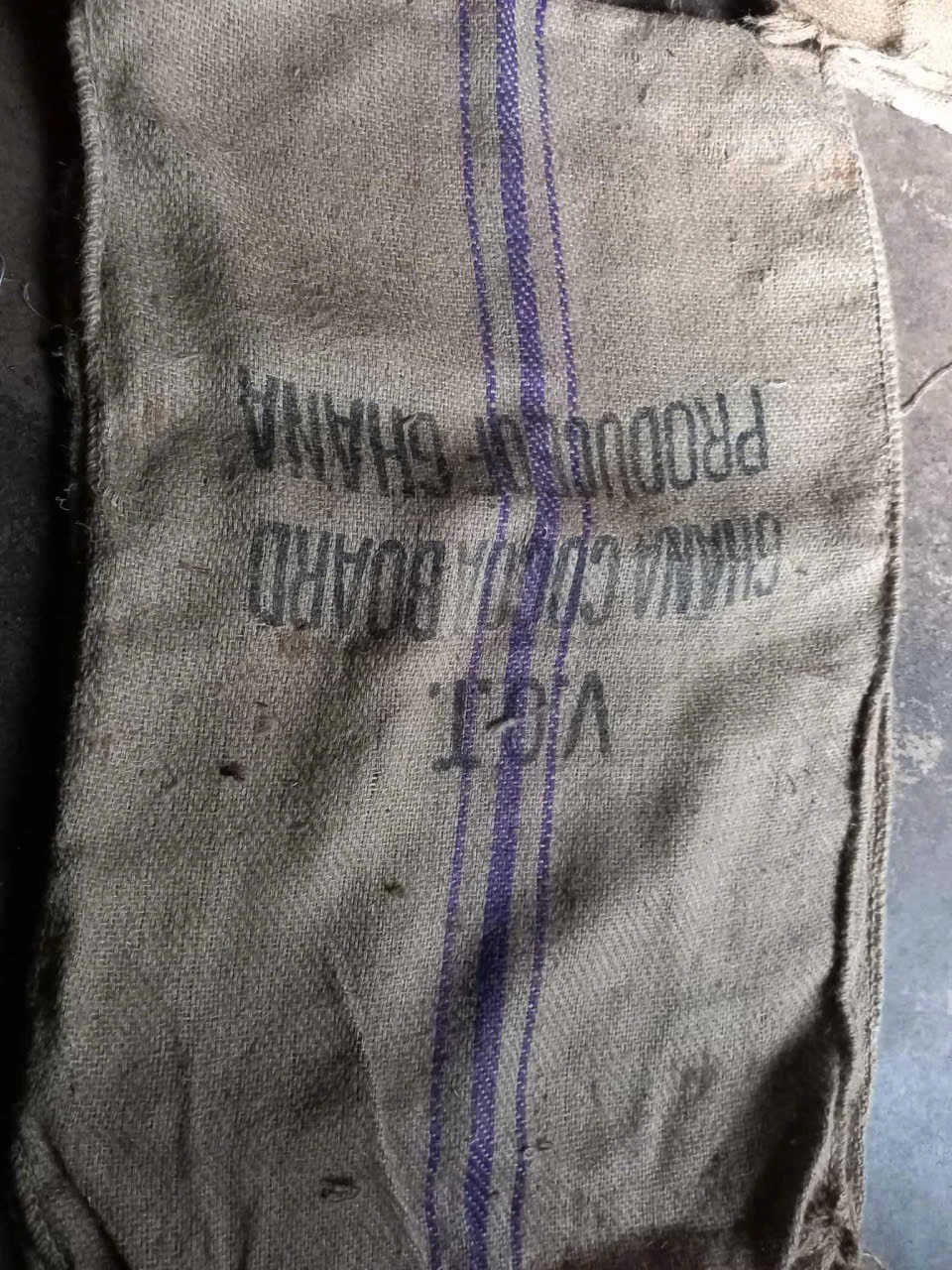
Choose Size by Filling Process, Not Only by Nominal Capacity
Two businesses filling the same 80 kg of cashews may prefer different sack dimensions depending on nut count, equipment and stacking method. A wider mouth can make manual filling easier, while a longer sack may form a different stack profile after sewing.
Before ordering a container quantity, test several bags on the actual filling line. Check whether the filled bag can be closed without excessive tension and whether the final package stacks safely.
What to Specify When Buying Used Cashew Bags
- nominal dimensions and permitted tolerance;
- target average tare weight;
- minimum acceptable condition or remaining-life grade;
- no open tears or seam failures;
- maximum repair level, if repaired bags are allowed;
- dry and free from mold;
- acceptable previous commodities;
- odor and residue requirements;
- bags per bale and total quantity;
- whether random pre-shipment inspection is required.
Run a Small Trial Before a Full Export Order
If the supplier and buyer have not traded the same grade before, a sample lot or trial bale is useful. Fill the bags to the intended weight, sew or close them using the normal method, stack them, move them with the normal handling equipment and leave them loaded long enough to identify seam creep or fiber weakness.
For bulk cashew packing, the cheapest used sack is not necessarily the lowest-cost option. A bag that fails during loading can create product loss, labor delays and repacking costs. The purchasing target should be consistent, dry, clean bags that match the filling process and the buyer’s acceptance rules.



Xem thêm
Đặc Điểm Về Bao Bố Cũ Đựng Nông Sản
Concrete Curing Blankets: Benefits and Application Methods
Reusing Burlap Coffee Sacks in Gardening and Landscaping: Practical Uses and Safety Checks
Buying Used Jute Bags in Bulk: How to Calculate Bales, Container Quantities and Inspection Samples
Jute Sandbags for Flood Control: Size, Filling, Placement and Material Checks
Used Jute Bags for Raw Cashew Nuts: How to Choose 80–85 kg Packing
Thin vs Thick Used Jute Bags: How to Match Bag Weight to the Job
Purple-Striped vs Green-Striped Used Jute Bags: Size, Weight and Best Uses