
Reusable burlap bags can serve several packing cycles when the fabric remains sound and the previous contents are compatible with the next use. The biggest mistake is putting every returned sack directly into the same pile.
A simple sorting process can separate bags that are ready to reuse, bags that need repair or cleaning, and bags that should be retired.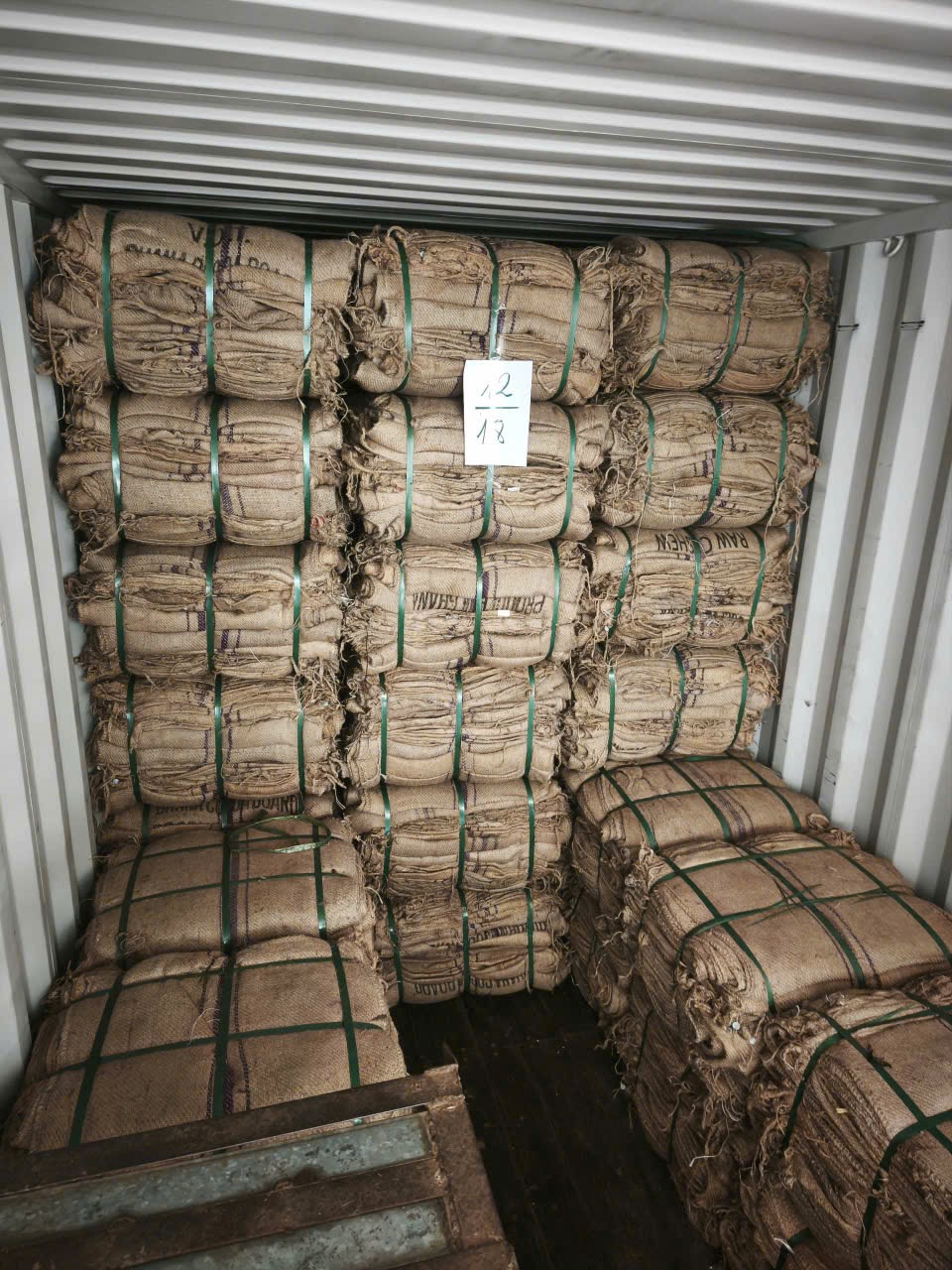
Start With Dry Inspection
Inspect bags before washing or wet cleaning. Dry inspection makes it easier to see powder residue, oil marks, frayed fibers and seam problems that may become less obvious when the fabric is wet.
Check the Fabric
- Hold the sack up to light and look for thinning areas.
- Check corners where abrasion is concentrated.
- Look for broken yarns and enlarged weave openings.
- Separate bags with large tears.
Check the Seams
Pull gently along side and bottom seams. Loose stitching can often be repaired, but a weak seam should not be trusted with a full load until it has been re-sewn and tested.
Separate Bags by Previous Contents
Never mix unknown or chemically contaminated sacks into a lot intended for agricultural or odor-sensitive products. Keep separate groups for known dry agricultural use, construction use and unknown previous use.
Oil, pesticide, fertilizer, strong dye, chemical powder and mold are reasons to reject a bag from sensitive packing applications.
Dry Cleaning Is Often the First Step
For loose dust and dry residue, shaking, brushing or controlled vacuuming may be enough. This avoids unnecessary wetting and the long drying time associated with washing thick jute.
Workers should use appropriate dust protection when handling dirty sacks, especially when the previous material is unknown.
When Wet Cleaning Is Considered
Wet cleaning should be chosen based on the intended use and the bag’s previous contents. Jute is absorbent and can shrink, soften or distort when wet. Aggressive washing can also weaken older fibers or loosen printed material.
If washing is necessary, test a small sample first. Use a method that can be followed by complete drying. Do not bale damp bags.
Drying Matters More Than Appearance
A bag may look clean while still holding moisture deep in the weave or seam. Damp sacks compressed into a bale can develop musty odor and mold.
- Dry in a well-ventilated area.
- Spread or hang bags so air reaches both sides.
- Avoid stacking while the fabric is still cool and damp.
- Check thick seams separately because they dry more slowly.
Repair Only Bags Worth Repairing
Small seam openings can be re-stitched, and limited fabric damage may be repaired for low-risk applications. Repair is less useful when the surrounding fabric is already weak.
For bulk operations, define a repair grade. For example, one lot may allow seam repair but reject patches in the center panel. Another may accept visible repairs because the bags are intended for construction use.
Store Empty Bags Correctly
Empty jute sacks should be stored in a dry, ventilated place and protected from direct rain, floor moisture and pests. Pallets or racks help separate bags from concrete floors, especially in warehouses where condensation or wash water may occur.
Keep bales away from walls if the building is prone to dampness. Leave enough space to inspect and rotate stock.
Do Not Over-Compress Damp or Fragile Bags
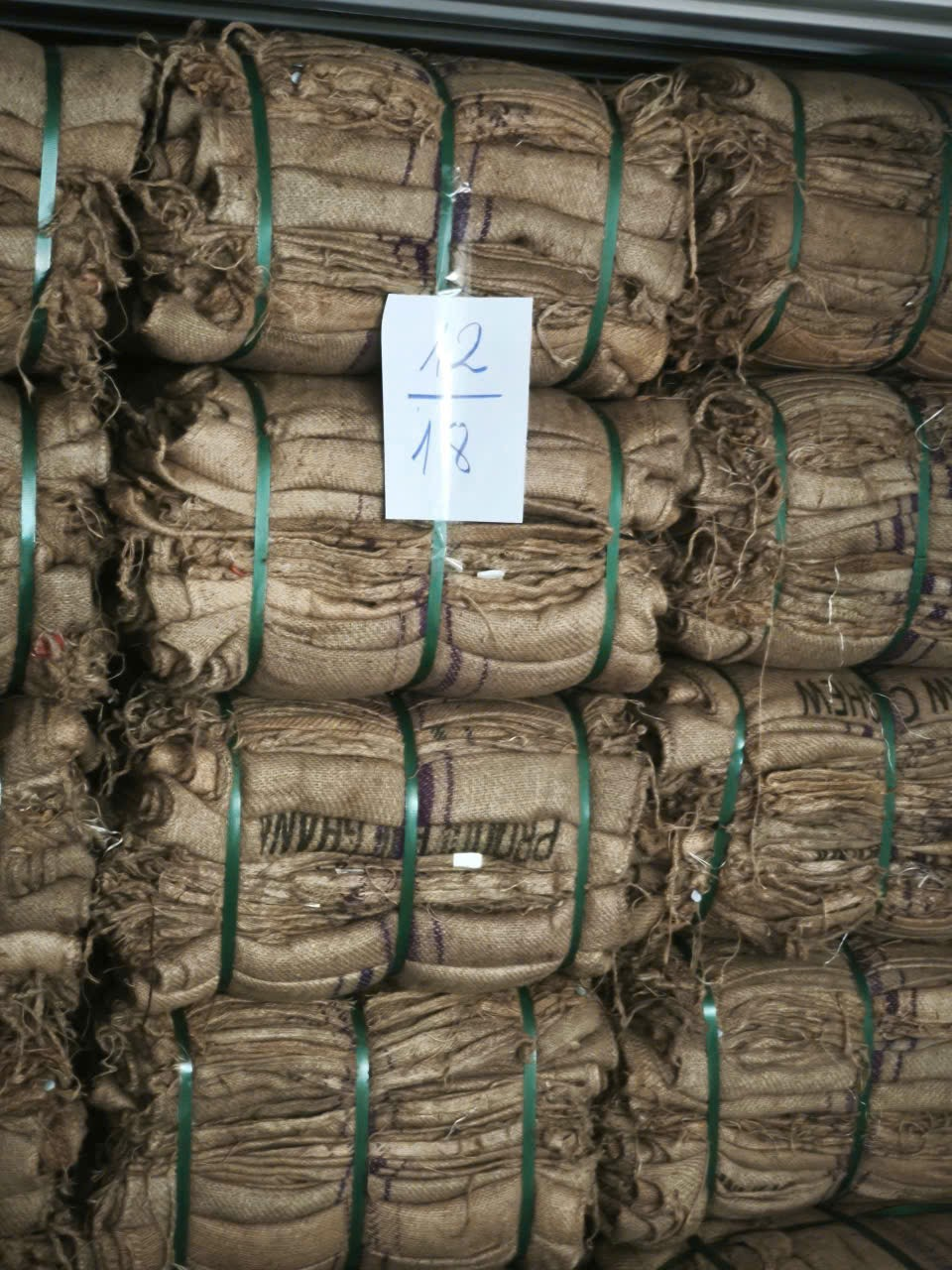
Hydraulic baling saves space, but compression should be used only after the bags are dry. Very old or brittle jute can be damaged by excessive pressure, especially along folds.
Label bales by size, condition and intended application so workers do not mix selected bags with lower-grade stock.
When to Retire a Bag
A bag should be removed from reuse when its condition creates more risk than value. Typical reasons include:
- Large tears or multiple weak areas.
- Seams that repeatedly fail after repair.
- Persistent mold or chemical odor.
- Oil or unknown chemical contamination.
- Severe fiber brittleness.
- Dimensions no longer suitable for the intended filling process.
Create a Simple Reuse Grade System
Warehouses handling large volumes can save time by using three or four internal grades. For example:
- Grade A: clean, dry, no major repair, suitable for selected packing uses.
- Grade B: sound fabric with minor seam repair.
- Utility: visibly worn but useful for construction, covering or non-sensitive applications.
- Reject: contaminated or structurally unreliable.
The exact names are less important than consistent rules. A reuse program works when workers can make the same sorting decision from one batch to the next.
Final Reuse Checklist
- Previous contents are acceptable.
- Bag is dry.
- No unacceptable odor or contamination.
- Fabric is strong enough for the next load.
- Seams and repairs are checked.
- Size is still within useful tolerance.
- Bag is stored in the correct grade group.
Reusable burlap bags can remain economical when inspection and storage are organized. Sorting early is usually cheaper than discovering weak or contaminated sacks after they have already been filled.



Xem thêm
Đặc Điểm Về Bao Bố Cũ Đựng Nông Sản
Concrete Curing Blankets: Benefits and Application Methods
Reusing Burlap Coffee Sacks in Gardening and Landscaping: Practical Uses and Safety Checks
Buying Used Jute Bags in Bulk: How to Calculate Bales, Container Quantities and Inspection Samples
Jute Sandbags for Flood Control: Size, Filling, Placement and Material Checks
Used Jute Bags for Raw Cashew Nuts: How to Choose 80–85 kg Packing
Thin vs Thick Used Jute Bags: How to Match Bag Weight to the Job
Purple-Striped vs Green-Striped Used Jute Bags: Size, Weight and Best Uses