
Jute has a long history in agricultural packaging because the fabric is strong, flexible and breathable. Used jute bags can also be economical for coffee, cashew, cocoa, potatoes, peanuts and other dry commodities, but reuse requires more inspection than buying new sacks.
The biggest risks are not simply visible holes. Odor, previous contents, residual moisture and contamination can affect the packed product even when the sack still looks strong.
Why Jute Is Common in Agricultural Packing
Woven jute allows air movement through the fabric and is easier to handle than many rigid containers. It can be stacked, folded and baled efficiently, which is useful in farms, warehouses and export supply chains.
For coffee and other aroma-sensitive products, however, the bag itself can become part of the quality problem if it carries foreign smells or residues. The inspection standard should therefore be stricter than for non-sensitive uses such as construction or sand filling.
Check Previous Use Before Packing Food or Agricultural Goods
Whenever possible, buyers should know what the sack previously contained. A bag that previously carried coffee, rice or another dry agricultural commodity is easier to evaluate than a bag with unknown history.
Avoid using sacks for sensitive products when there is evidence of fuel, lubricant, fertilizer, pesticide, chemical powder or strong odor. Washing does not automatically make an unknown bag suitable for agricultural use because residues can remain in fibers and seams.
Odor Inspection
Open several bags from different parts of a bale and smell the interior before packing. Do not rely on only the outer bags. Compressed bales can trap moisture and odor in the center.
For green coffee, buyers often pay particular attention to hydrocarbon or petroleum-like odor because unroasted beans can absorb foreign smells during storage and transport.
Moisture Is a Major Storage Risk
Used sacks should be dry before filling and before they are compressed into storage bales. Damp jute can develop mold odor and can also transfer moisture to the packed commodity or surrounding bags.
- Store empty bags under a roof.
- Keep them off damp concrete floors.
- Allow airflow around bales.
- Do not wrap wet bags tightly in plastic.
- Investigate musty odor rather than trying to mask it.
Choose the Size According to the Commodity and Handling Method
Agricultural jute sacks are available in many dimensions. Used-bag markets in Vietnam commonly list formats around 106 × 72 cm, 110 × 70 cm and 110 × 74 cm, while export records show other sizes. The correct dimension depends on bulk density, target net weight, filling equipment and how workers will stack or carry the bag.
Do not assume a sack that once held one product will hold the same weight of another product. Coffee beans, raw cashew nuts, cocoa, rice and peanuts have different bulk densities and packing behavior.
Before Choosing a Size
- Define the target net product weight.
- Test-fill a sample bag.
- Leave enough mouth area for closing or sewing.
- Check whether filled bags remain stable when stacked.
- Confirm the bag fits conveyors, scales or manual handling routines.
Inspect the Seams Before Loading
A seam can look intact when the bag is empty but open under load. Check side seams, bottom seams and repaired sections by gently tensioning the fabric. Repaired used sacks may still be practical, but the buyer should know the repair level before deciding whether the bags are suitable for valuable agricultural products.
Cleanliness Standards Should Match the Product
Not every reused jute sack should be described as food-grade. If a buyer needs a certified food-contact standard, traceable treatment or a controlled odor specification, new bags with the appropriate documentation may be the safer choice.
Used bags are best handled as a condition-graded packaging material: inspect the lot, define acceptable previous use, and match the bag to the commodity.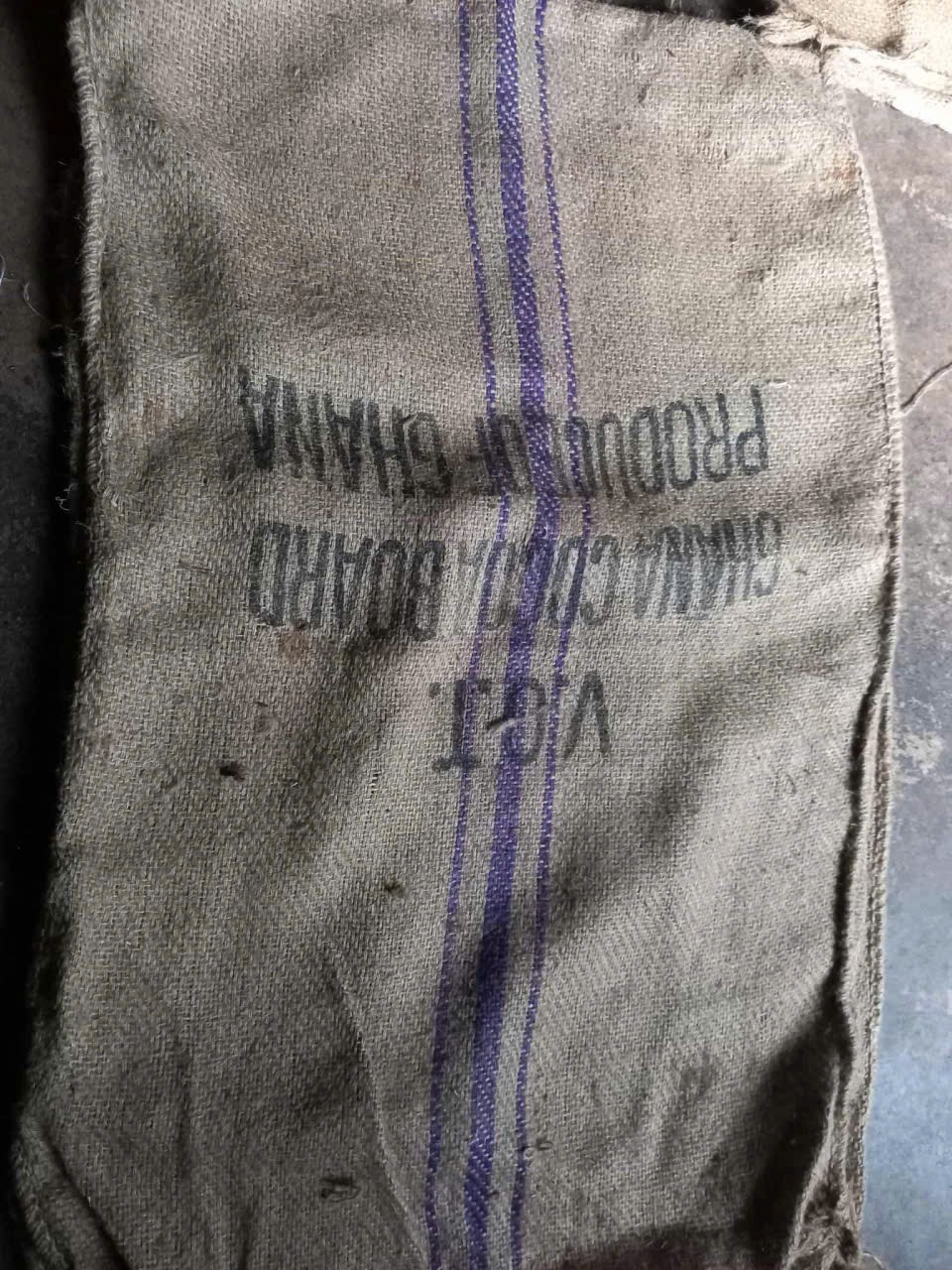
Warehouse Handling After Packing
Once filled, store jute sacks in a dry area with ventilation and protection from rain, splash water and pests. Pallets or raised dunnage help separate the sacks from concrete floors. Leave inspection aisles when possible rather than packing every bag tightly against walls.
For export cargo, the container should also be dry and free from strong odor or residue from the previous load. Condensation risk depends on route, climate and cargo moisture, so packaging decisions should consider the complete transport environment rather than the sack alone.
Quick Pre-Packing Checklist
- Previous contents are known or reasonably controlled.
- No chemical, petroleum or mold odor.
- Fabric is dry.
- No active mold or pest contamination.
- Seams can withstand the intended filled weight.
- Bag dimensions match the commodity and closing method.
- Lot quality is consistent, not just the sample bag.
Used jute bags can be practical for agricultural packing when buyers treat cleanliness and condition as specifications, not assumptions. Testing a small representative sample before loading a full lot is one of the simplest ways to reduce packaging problems.



Xem thêm
Đặc Điểm Về Bao Bố Cũ Đựng Nông Sản
Concrete Curing Blankets: Benefits and Application Methods
Buying Used Jute Bags in Bulk: How to Calculate Bales, Container Quantities and Inspection Samples
Reusing Burlap Coffee Sacks in Gardening and Landscaping: Practical Uses and Safety Checks
Jute Sandbags for Flood Control: Size, Filling, Placement and Material Checks
Used Jute Bags for Raw Cashew Nuts: How to Choose 80–85 kg Packing
Thin vs Thick Used Jute Bags: How to Match Bag Weight to the Job
Purple-Striped vs Green-Striped Used Jute Bags: Size, Weight and Best Uses